Seven Minutes at the Counter: The Quetiapine Questions Most Patients Never Think to Ask Their Pharmacist

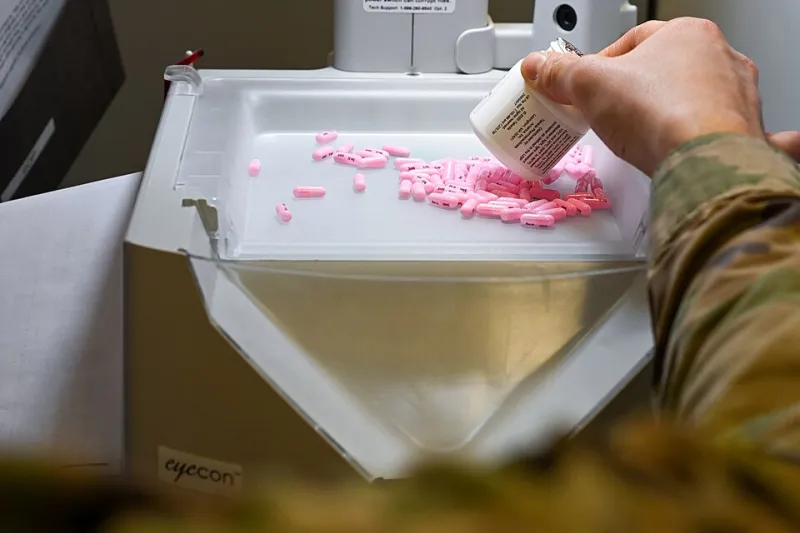
Photo: Unknown photographer, Public domain, via Wikimedia Commons
Between prescriber appointments that last fifteen minutes and specialist waits that stretch into months, there is a healthcare professional you can see today, without an appointment, at no charge. Your pharmacist reviews your full medication picture, knows your refill history better than anyone, and is trained specifically to catch the problems that slip through. Yet most patients on quetiapine barely use this resource beyond dropping off a prescription.
Here are seven questions that change that.
1. "Do any of my other medications interact with quetiapine?"
This is the question pharmacists wish more people asked. Quetiapine interacts with a surprising range of common items: certain antibiotics like clarithromycin, antifungals such as ketoconazole, some blood pressure medications, other sedating drugs including sleep aids and opioid pain relievers, and even St. John's Wort. Because pharmacists see your entire list—including over-the-counter products and supplements from other pharmacies—they can spot combinations your prescribers might miss. Bring a complete list, including herbal products.
2. "What should I do if I miss a dose?"
The answer differs depending on whether you take standard or extended-release quetiapine, and guessing wrong can mean doubling up on a sedating medication. Ask now, before the missed dose happens, and write the answer on your phone.
3. "Is this the same manufacturer as last time?"
As covered in our earlier guide to generic switching, different manufacturers' formulations can feel subtly different to some patients. Pharmacies routinely substitute between generic suppliers based on cost. Asking for consistency—and asking your pharmacist to note it in your profile—takes ten seconds and can prevent weeks of confusing side-effect changes.
4. "What side effects should prompt me to call my doctor versus go to urgent care?"
Most patients know drowsiness and dry mouth are common. Fewer know which symptoms are red flags: signs of dangerously low blood pressure upon standing, fever with muscle stiffness, uncontrollable facial movements, or thoughts of self-harm. Your pharmacist can give you a practical triage framework in plain language, tailored to your dose and health profile.
5. "Are there any refill timing issues I should know about?"
Quetiapine is a controlled-adjacent medication in some contexts, and running out over a holiday weekend is more than an inconvenience—it can mean abrupt discontinuation symptoms. Ask your pharmacist when to request refills, whether your plan allows early fills before travel, and whether they offer automatic refill programs or delivery. For patients in rural areas or those with mobility limits, mail-order options through insurance plans can be a lifeline.
6. "Could anything explain the side effect I've been noticing?"
This is where pharmacists shine. That persistent dry mouth might be worsened by an antihistamine you take for allergies. That dizziness might relate to a new blood pressure medication started by a different doctor. Because pharmacists see cross-prescriber data, they often connect dots that individual physicians cannot. Describe the symptom, not your theory about the cause, and let their training work.
7. "What resources do you have for affordability?"
Pharmacists know the discount landscape: manufacturer savings programs, state assistance options, the Medicare Extra Help program, and legitimate discount cards. If cost is causing you to stretch doses or skip fills—a dangerous practice with psychiatric medications—say so plainly. Pharmacists respond to this more helpfully than almost any other professional, and the conversation is far more common than patients assume.
Making It a Habit
You do not need all seven questions every visit. Pick the one or two most relevant to your current situation. Over time, you will build a relationship with a professional who sees your health from a vantage point no one else does—and in the gaps between appointments, that perspective is exactly what good medication management requires.